
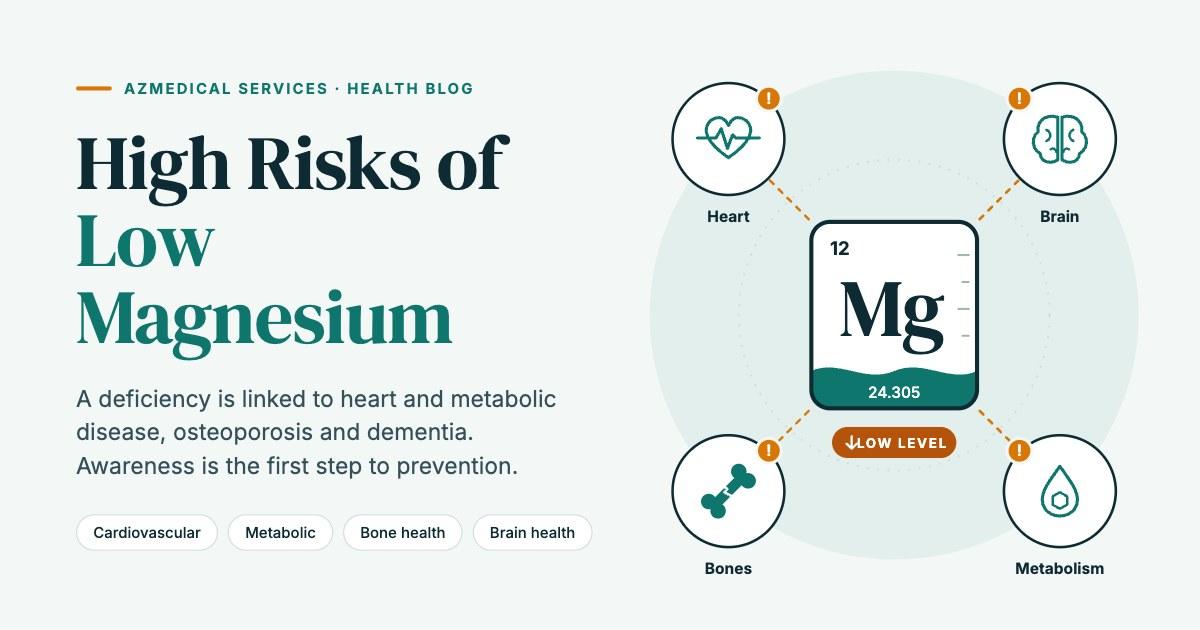
About 60% of Americans do not get enough magnesium from their diet, so supplementation is often necessary for this important mineral.
The potential benefits are significant. In one observational study, men with higher magnesium intake had a 41% lower risk than those with lower intake. In a prospective study of older women, higher magnesium intake was linked to a 12% lower risk of frailty compared with the lowest intake. Other prospective studies have examined osteoporosis risk: women with the highest dietary magnesium intake reduced their fracture risk by 62%, and their risk of osteoporosis was 53% lower. In people with or at risk of type 2 diabetes, magnesium improved glucose control and insulin sensitivity. In clinical trials of people with metabolic syndrome and low magnesium levels, supplementation significantly reduced multiple cardiovascular risk factors.
Magnesium supports cellular energy production and DNA synthesis and repair, and it helps counter chronic inflammation. Its cardiovascular effects are notable: blood magnesium levels are strongly associated with cardiovascular risk, and the risk of heart failure declines as magnesium levels rise. Observational studies have also shown that higher dietary magnesium intake is associated with a lower risk of stroke.
Magnesium helps regulate blood pressure through several mechanisms, including improved dilation of blood vessels. Taking 300 milligrams of magnesium daily for a month significantly reduced both systolic and diastolic blood pressure, and several randomized controlled trials found that magnesium supplementation improved endothelial function. People with low magnesium levels are more susceptible to arrhythmia, or irregular heartbeat. Magnesium deficiency is common among people with congestive heart failure and those undergoing diuretic therapy, so supplementation can help maintain a normal heart rhythm in high-risk individuals. In a classic study of adults with metabolic syndrome and magnesium deficiency, supplementation significantly improved multiple markers of metabolic disease and cardiovascular complications, including blood pressure, fasting glucose, triglycerides, and HDL cholesterol.
Magnesium also plays a role in cognitive function, including learning and memory. In adults aged 50 to 70 with cognitive impairment, one form of magnesium, magnesium threonate, improved overall cognitive ability, effectively reversing brain aging by about 9 years. In trials of people with mild to moderate dementia, magnesium improved cognitive function after 12 weeks.
Magnesium also supports blood sugar control. Many enzymes that depend on magnesium play a role in insulin function and glucose metabolism. In people with type 2 diabetes or at risk of developing it, magnesium supplementation improves glucose control and hemoglobin A1C and enhances insulin sensitivity, positively affecting metabolic pathways.
Strong bones matter more as we age, and magnesium is necessary for bone remodeling. This is why about half of the body's magnesium is stored in bone. Magnesium deficiency is associated with decreased bone mass, increased inflammation, and tissue damage, which can lead to osteoporosis. As a result, women who are deficient in magnesium have a 53% higher risk of fracture.
In conclusion, magnesium deficiency increases the risk of chronic health problems. Higher magnesium intake or blood levels have been shown to improve cardiovascular health, reduce stroke risk, enhance cognitive function, and improve diabetes control.